RES-MAB: project launch
16 de enero de 2026
The RES-MAB project is launched in the Alto Bernesga Biosphere Reserve to adapt to climate change
This pioneering project, focused on adaptation and mitigation solutions to address climate change in the Mediterranean region, brings together ten partners to create “living laboratories” that will test and implement innovative solutions.
León – August 2, 2024
The Alto Bernesga Biosphere Reserve is proud to be part of the ambitious RES-MAB project, a PRIMA program initiative focused on adaptation and mitigation solutions to climate change in biosphere reserves in the Mediterranean region. This project brings together ten partners to create living laboratories where innovative Water-Energy-Food-Ecosystem (WEFE) solutions will be tested and implemented.
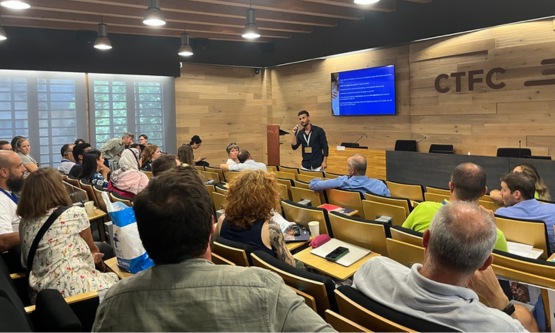
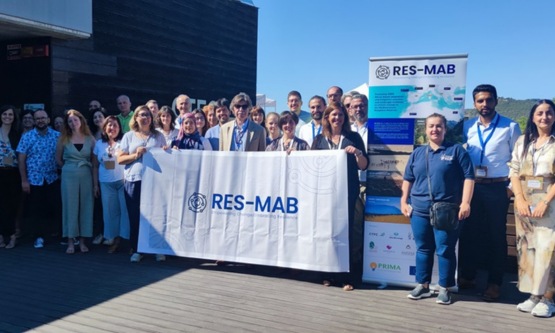
From July 22 to 24, 2024, the partners of the RES-MAB project met in Solsona, Lleida, at the headquarters of the Forest Science and Technology Centre of Catalonia (CTFC). Representing the Alto Bernesga Biosphere Reserve were Benedicta Rodríguez, Foundation Manager; Beatriz Salas, Project Manager; and Verónica del Río, Rural Development Technician. During the meeting, participants discussed the challenges posed by climate change in the Mediterranean region, as well as the consortium’s objective of implementing innovative solutions in the collaborating biosphere reserves.
The RES-MAB project is a pioneering initiative that addresses climate change in biosphere reserves, crucial areas for balancing human activity with nature conservation. The project will establish seven pilot sites, transforming them into «living laboratories» to test and implement innovative solutions by adopting the WEFE (Water-Energy-Food-Ecosystems) nexus approach. In this way, the RES-MAB project seeks to foster resilience and improve climate adaptation.
“RES-MAB is a pioneering and ambitious project within the PRIMA program that aims to offer solutions to the needs of Mediterranean Biosphere Reserves in the face of climate change. With the holistic vision inherited from the WEFE approach, we want to develop a management model useful for all of them, while also developing new business models and innovative market solutions suited to the different demands they must meet. To this end, the consortium will take into account cultural and ecological aspects, while promoting the sustainable development of their economies,” explains Roser Maneja, project coordinator and research director at the CTFC.
One of the project’s central efforts includes developing a socio-ecological modeling tool of the WEFE nexus to support stakeholder decision-making, integrating this tool into policies for sustainable impact, and co-creating and implementing eight climate resilience solutions in the seven participating biosphere reserves.
The Alto Bernesga Biosphere Reserve participates in this consortium, thus contributing to the fight against climate change and the sustainable development of the region.